The Story
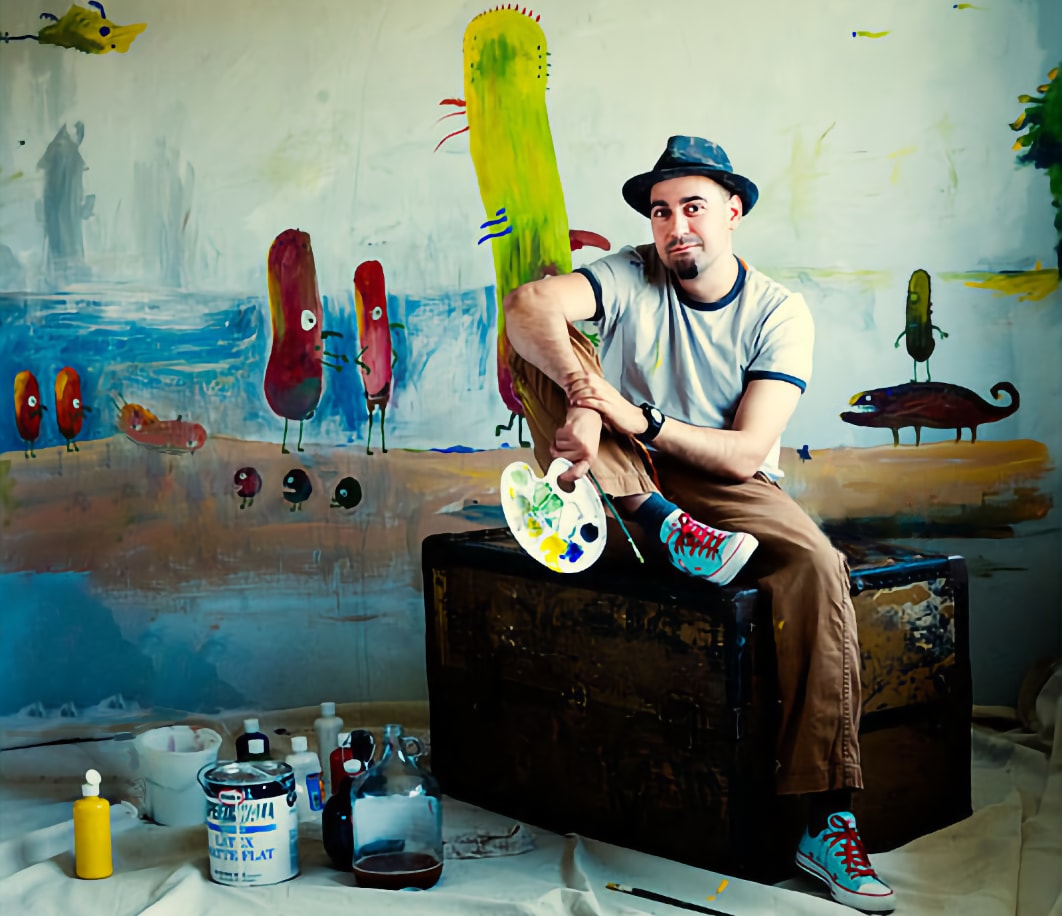
I'm a visual artist. For years, I struggled with something that should have been simple: getting my own work online in a way that actually looked like mine.
The tools out there fall into a few familiar traps. Most website builders are built for businesses (brochures, catalogs, online stores), and bending them into an art portfolio always felt like wearing someone else's suit. The ones aimed at non-technical people are often outdated, clunky, and constantly pushing upgrades you don't need. And the big platforms built specifically for artists tend to care more about their own brand than yours. Your site ends up looking like everyone else's site on that platform.
So I started building the tool I wished existed. A friend is helping me with it now.
The first version, ArtSiteMaker (open source, free, and still available today), solved the core problem: your art content lives separately from the site design, so you're never locked in, and you can host it yourself. It works well, but it still asks something technical of you: a git repo, some setup, a bit of comfort with the command line.
ArtSiteMaker, the project you're looking at now, is the next step: all the same philosophy, none of the technical overhead. We handle everything. Hosting, theme design, image processing, and fast global delivery for your gallery images all run behind the scenes, so you can focus on your art instead of your stack. You upload your work, pick a theme, write your about page, and publish. No code, no server, no waiting.
Every theme is designed to let your art lead. Your colors, fonts, and logo travel with you if you ever switch themes, so your site never stops feeling like yours.
There's a free plan, and it's genuinely useful: enough room for most artists just getting their first pieces online. When you're ready for more, the Pro plan is priced modestly on purpose. Less than what most "essentials" tiers cost elsewhere, because we don't think a growing portfolio should cost you a growing bill.
We're still early. New themes and features are shipping regularly, and the roadmap is full. But the foundation is solid, and it was built by someone who's spent years on the other side of this exact problem.


Dmitri Zdorov, founder